


Wakesurf guides
Four advanced wakesurf tricks, broken down
 Ryan Deese#2 WWA Nautique Surf Series, pro men's skim · Elevate coachAugust 2026 · 8 min read
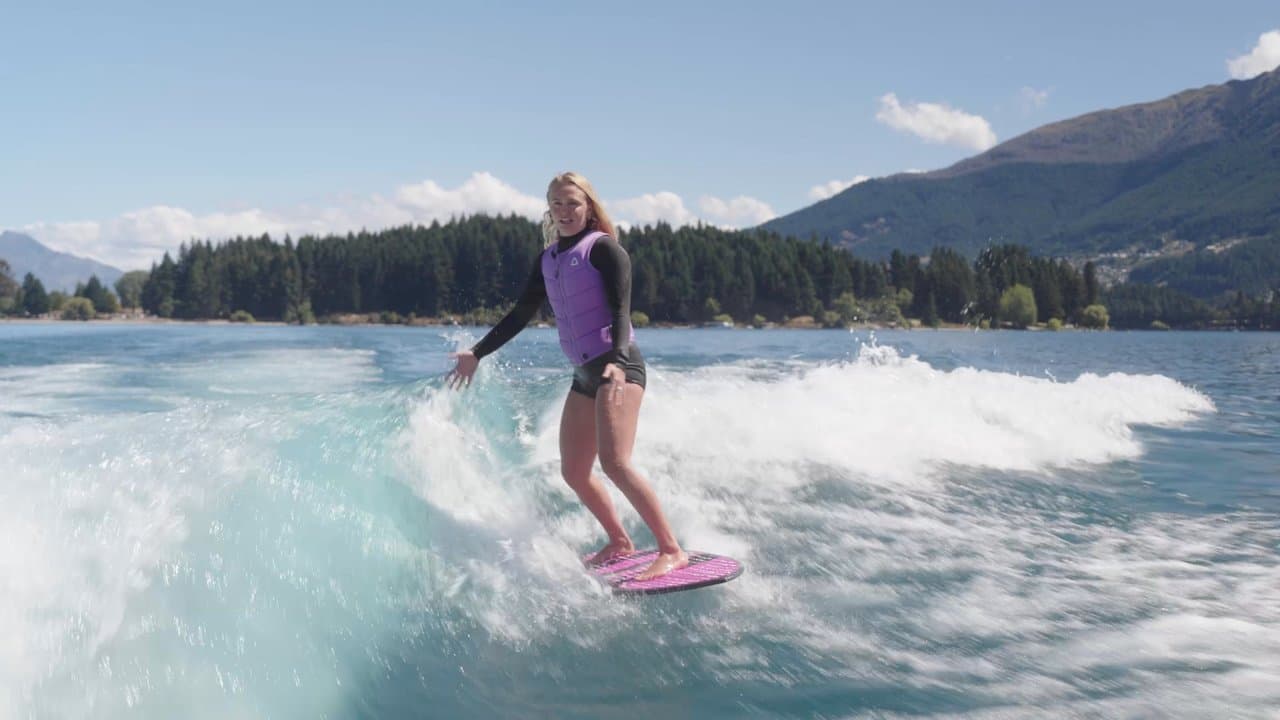
These four tricks are the next level after your 360 is landing consistently and your switch riding feels like home. Each one is genuinely hard, each one is learnable, and each one has a signature fall with a specific fix. As always: every trick starts at the back of the wave with forward momentum.
The 180 shuv
The board spins 180 under you while you stay facing forward. On a finned skim board, learn it riding revert — fin forward — so the landing walks you back into your normal stance. Warm up with a few revert lip slides first: they start the exact rotation you're about to finish.
Come forward with speed, climb the wave on your toes, and near the top give a small flick of your back toe toward the boat. The word is small — with this trick, the softer the flick, the better it works. The body starts the rotation, the back foot walks it around, and you land absorbing through bent knees on the way down the wave.
The signature fall is the pencil landing: feet drifting together in the air, then a wobble and a splash. Think wide feet from takeoff to touchdown and this fall mostly disappears.
The frontside body varial
The mirror of the shuv: the board holds still, you jump and swap your feet, landing in switch. Frontside means rotating open, toward the boat. Switch riding has to come first here — the whole landing is a switch stance with heels engaged.
Cut out to the flats with your weight held on the back foot, and scoot your front foot back before you start. Most failed varials end on the nose of the board: the jump travels you forward, so the landing has to happen on the back half. Shoulders lead the rotation, the feet follow, and the landing should be soft — a small hop with a quiet touchdown beats a big showy jump every time. If your feet land scrambled, shuffle them immediately and ride on; a quick adjust is part of the trick.
Struggling on your usual board? Borrow a bigger one. The extra surface makes the landing friendlier while you groove the motion, then bring it back to your own size.
The alley-oop
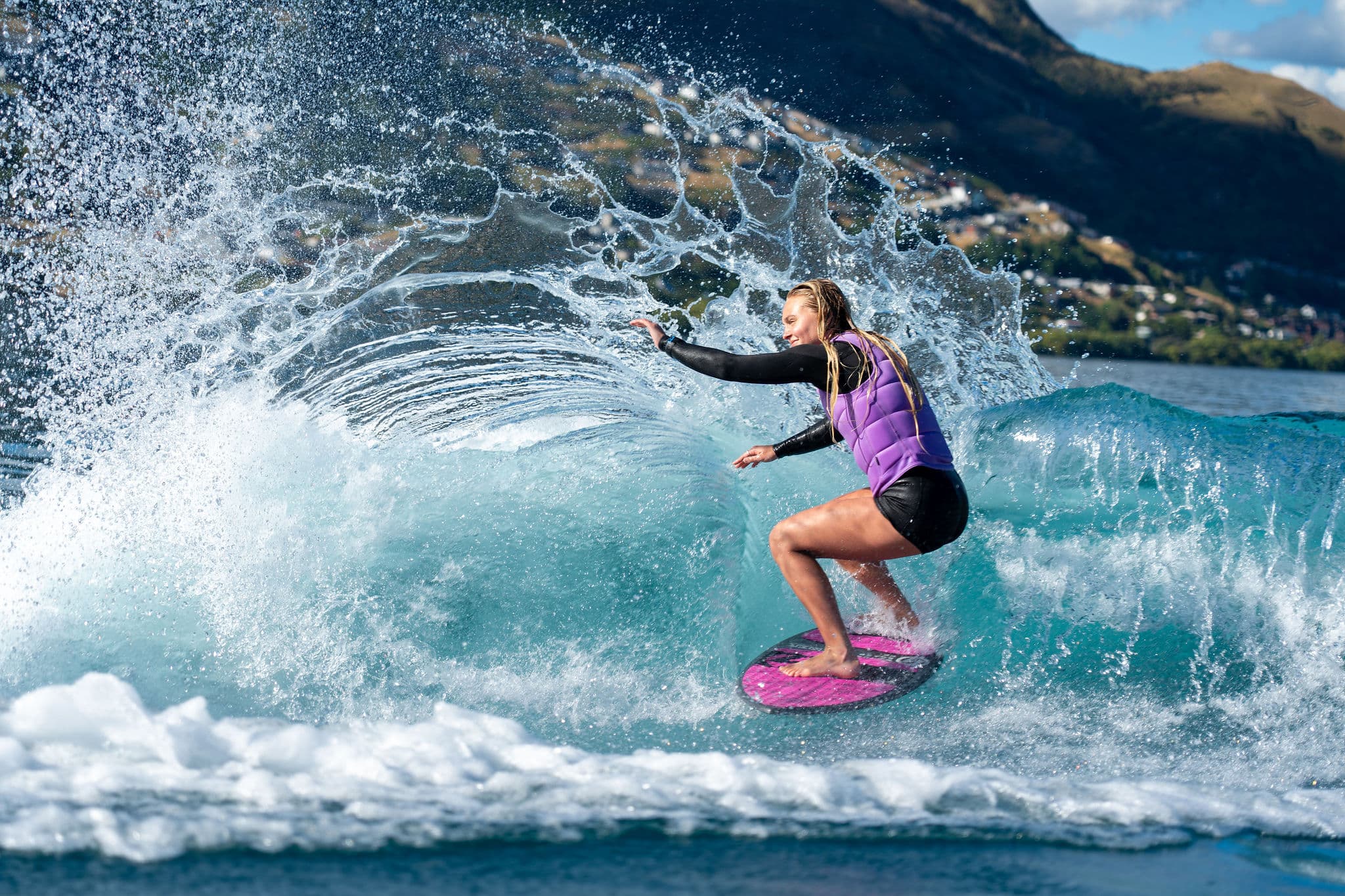
An air with a 180 inside it, landing in switch — the crowd pleaser. The order of operations decides everything: jump first, then rotate. Rotate early and the board never leaves the water; it catches in the lip and down you go.
Pop from halfway up the wave — higher risks sailing over the back, lower catches an edge. Drop your back hand on the way up (as with a 360, it closes your shoulders and preps the spin), jump, glance down at your back foot to trigger the rotation, and land strong on your new back leg at the 180 mark, riding down the wave in switch. Finish the rotation to normal whenever you're ready. Slowing it down works the same way as the 360: find the shoreline with your eyes mid-spin before you look for the boat.
The 360 shuv
The board does a full spin under you while your body stays stationary. The instinct to wind your shoulders up for extra rotation is exactly wrong here: open shoulders send your body spinning instead of the board. Shoulders stay square to the wave the entire time.
Two setup changes from the 180 shuv: flick harder with the back foot while the front foot guides forward, and scoot your back foot a little further up the board first. The forward foot keeps the board low over the water, and low means the landing stays soft. Climb about three quarters up the wave, flick, spot the board, and land wide-footed with a little squat to absorb it — knees locked at touchdown is how hard landings happen.
When a trick keeps refusing
Film it from the boat. At this level almost every fall is one of the signature mistakes above, and thirty seconds of slow-motion video tells you which one is yours. Ride, review, adjust one thing, go again — that loop is how these tricks actually get landed.